

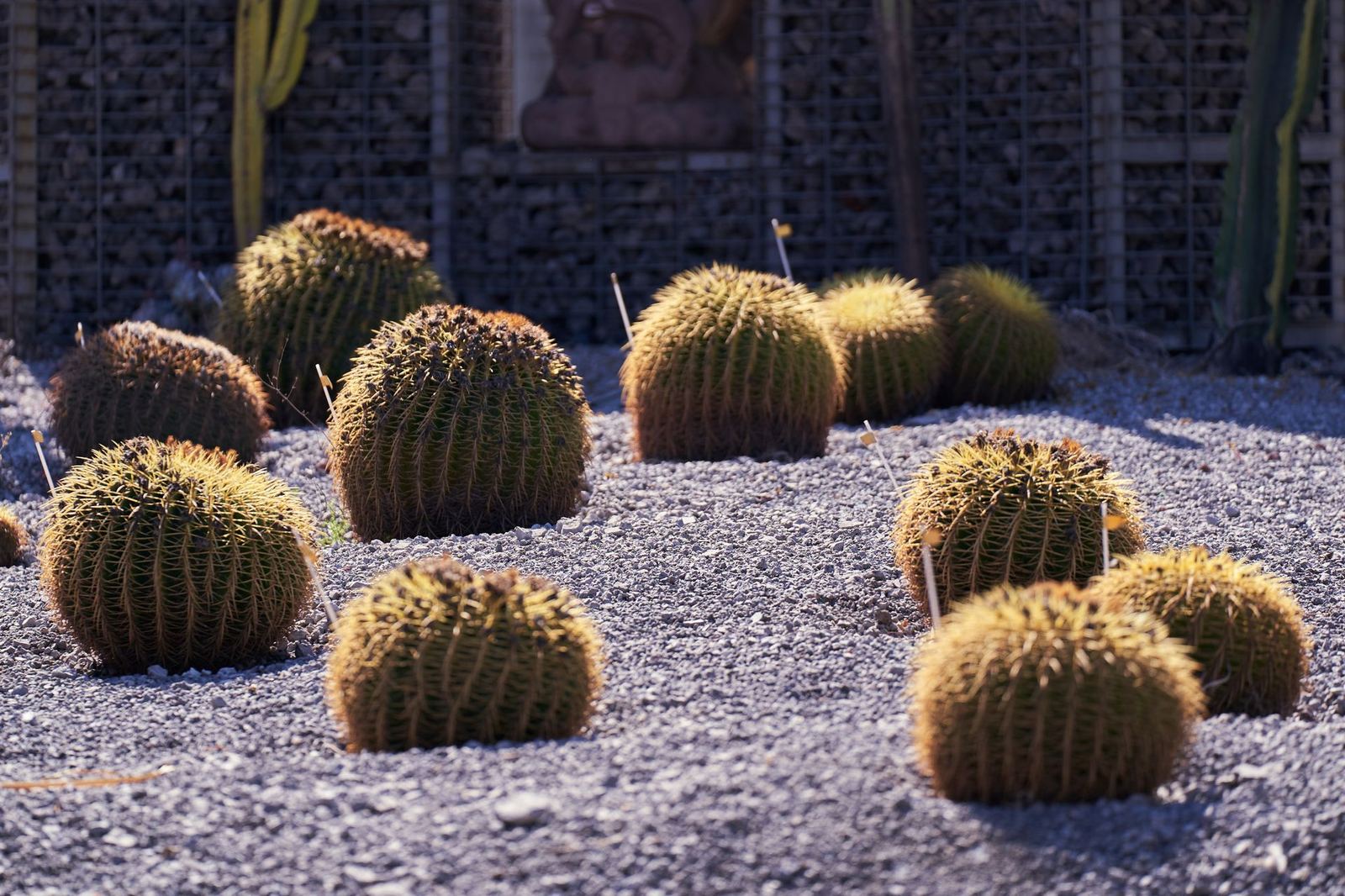
How hydrozoning, mulch, drip irrigation and the right plants halve summer watering.
In the region stretching from Marmara to the Mediterranean, garden irrigation in summer can reach 40–60% of household water use. Low-water garden design is the most effective way to halve this without sacrificing plants.
1. Group plants by water need (hydrozones)
Only plants with similar water needs share an irrigation zone. Lavender, rosemary and sage sit in one hydrozone, hydrangea and fern in another. No plant gets water it does not need.
2. Reduce the lawn
One m² of lawn needs about 5 litres a day in summer; a shrub bed in the same area needs 2–2.5 litres. Limiting lawn to seating and play areas and filling the rest with perennials and grasses alone saves 25–30%.
3. Drip irrigation
Sprinklers lose part of the water to evaporation; drip delivers it straight to the root zone. For shrubs and trees drip irrigation saves up to 35%.
4. Use mulch
A 5–8 cm layer of bark or gravel mulch retains soil moisture, reduces evaporation by 30% and suppresses weeds. Gravel mulch suits Mediterranean plants, bark mulch suits acid-loving ones.
5. Choose the right plants
Olive, lavender, rosemary, bay, sage, sedum and ornamental grasses are drought-tolerant. For trees, deep and infrequent watering in the first two years sends roots down.
A real example
In a 48-villa estate in Bodrum all five methods were applied together. Annual water use fell from 18,400 m³ to 10,100 m³, a saving of about 45%. At 2026 water tariffs the annual difference exceeds ₺400,000.
Things to watch
- A low-water garden is not an unmaintained garden; it needs pruning and mulch renewal two or three times a year.
- Newly planted material needs enough water in its first season.
- A rain sensor and soil probe prevent unnecessary irrigation.
The importance of soil preparation
The foundation of a low-water garden is the soil's water-holding capacity. Mixing 20–30% matured compost into sandy soils keeps water in the root zone longer. In clay soils sand and fine gravel are added to improve drainage. A soil analysis before planting clarifies which plant should live where.
What should the irrigation schedule look like?
Newly planted material is watered deeply two to three times a week in the first season. From the second year watering can drop to weekly, and for mature trees to monthly. Set watering duration by root depth rather than plant type: aim to wet 30 cm for shrubs and 60–80 cm for trees.
First-year cost
For a 300 m² garden, low-water design typically adds 8–12% to the cost but pays for itself in three to four years through water and maintenance savings.
Related Posts
Seven Things to Know Before Building a Roof Garden
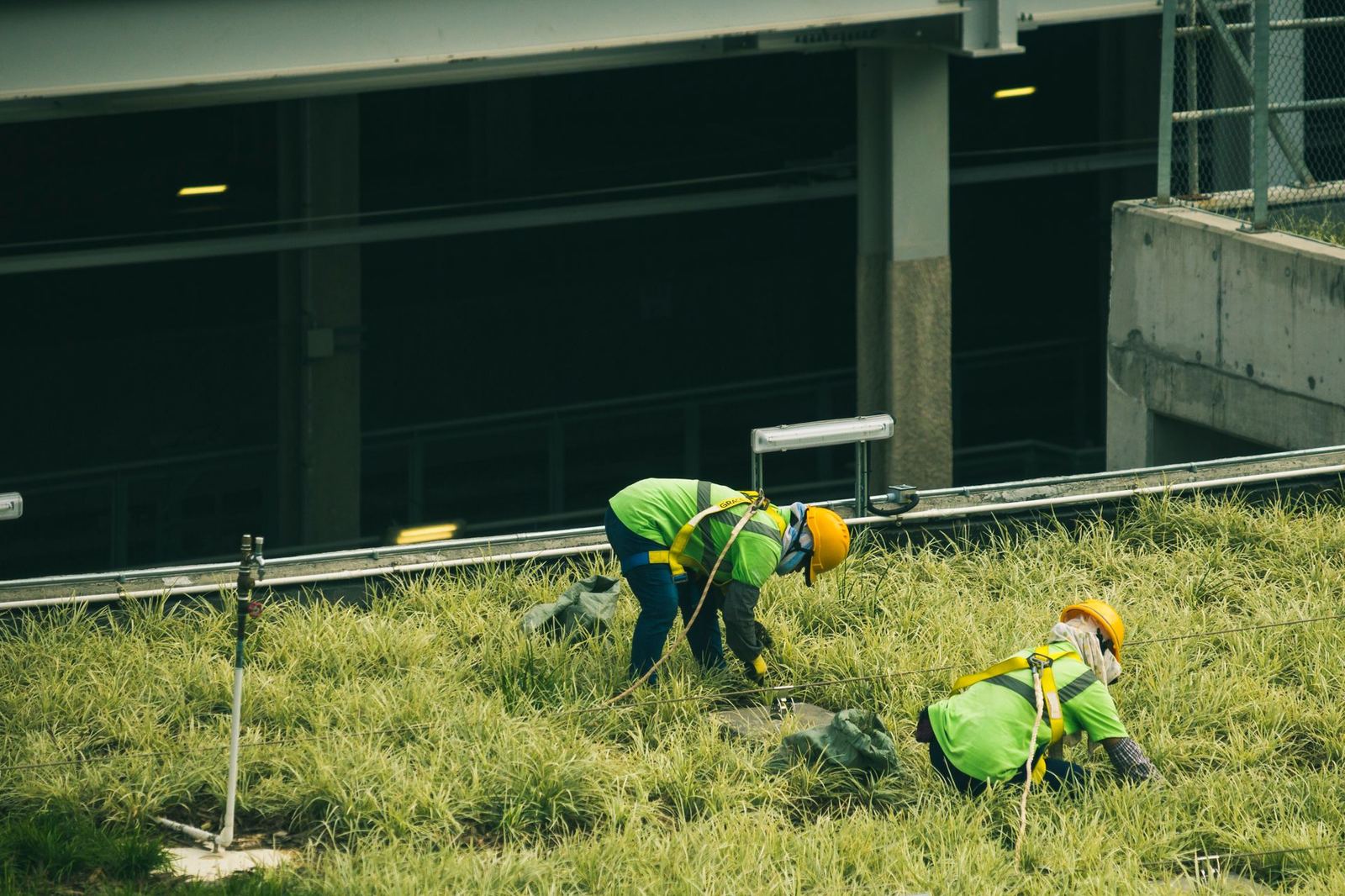
Structural load, waterproofing, wind and maintenance: the critical points that decide a roof garden's success.
Read More