

The environmental impact of a landscape does not end with construction; years of maintenance and water use shape the total. That is why we require five principles at design stage.
1. Right plant, right place
Species are chosen to suit the climate zone and soil. This reduces irrigation need by 40–60% and lowers plant losses.
2. Water management
Plants are grouped by water need (hydrozones). We use drip irrigation, rain sensors and soil moisture probes. Rainwater collected from roofs is stored and used in the garden.
3. Feed the soil
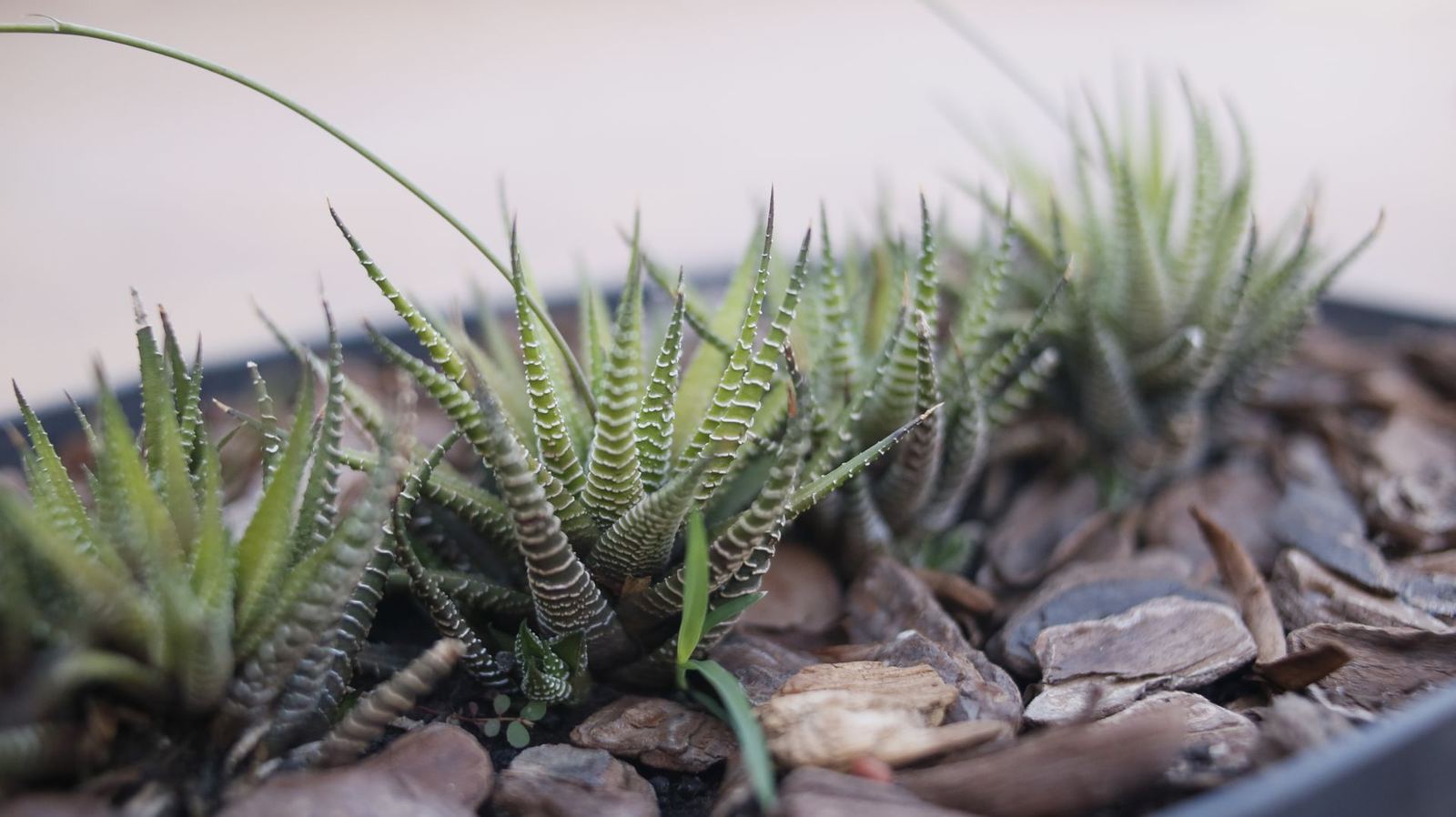
Compost and mulch replace chemical fertiliser. A 5–8 cm layer of mulch cuts evaporation by 30% and suppresses weeds.
4. Biodiversity
Pollinator-friendly flowering species, bird boxes and insect hotels support the ecosystem. We aim for at least 12 different species in every project.
5. Permeable surfaces
On hard surfaces we use permeable joints, gravel and grass blocks so that rainwater returns to the soil, reducing flood risk.
All of these principles are reported together with costs, and a ten-year cost-of-ownership comparison is available on request.